Everything You Need to Know About Adopting an Adult Cat
21 Sept 2026.
Every year, thousands of felines end up in animal shelters. So, if you’re thinking about bringing a new kitty into your life, it’s always great to consider adoption first. There can be many advantages to adopting an adult cat. Not only do they make great additions to the family, but they can be an excellent fit for anyone seeking a more mellow feline companion. Are you thinking about adopting, but not sure what age range is best for you? Read on for Cat in a Flat’s guide to adopting an adult kitty and how to bring the purrfect furry friend into your life.
Table of contents
Is it better to adopt a cat instead of buying?

Is it better to adopt a cat instead of buying? Whether you choose to adopt or purchase a feline as a pet will depend on your personal needs and lifestyle. For example, someone with allergies may need a specific hypoallergenic breed which can be difficult to find in shelters. However, if you have the means to care for a shelter kitty, adopting a cat instead of buying is undoubtably the better, more ethical, option.
Pros to adopting a cat
- You are giving a feline a second chance. Adoption is the chance to provide a kitty with a stable, comfortable home. It can be a wonderful second chance for cats rescued off the streets or from unsafe situations.
- Combats over-crowding. Shelters that house felines often face severe over-crowding due to a variety of factors. Often, spaying or neutering a kitty may be overlooked, leading to overpopulation. And, since cats are more prone to wander, they also get lost more easily and can end up in shelters. (Which is why you should always microchip your cat and keep the contact info up to date!)
- Less expensive. Most animal shelters charge an adoption fee. However, this will be significantly lower than the cost of buying a cat. Many shelters will also handle initial healthcare costs. This can include treating Mr Whiskers for worms and fleas, vaccines, microchipping, and in most cases spaying or neutering too.
- More ethical. If you adopt instead of shop, you avoid the risk of accidentally purchasing from a kitten mill or unethical breeder.
Are there benefits to adopting an adult cat?
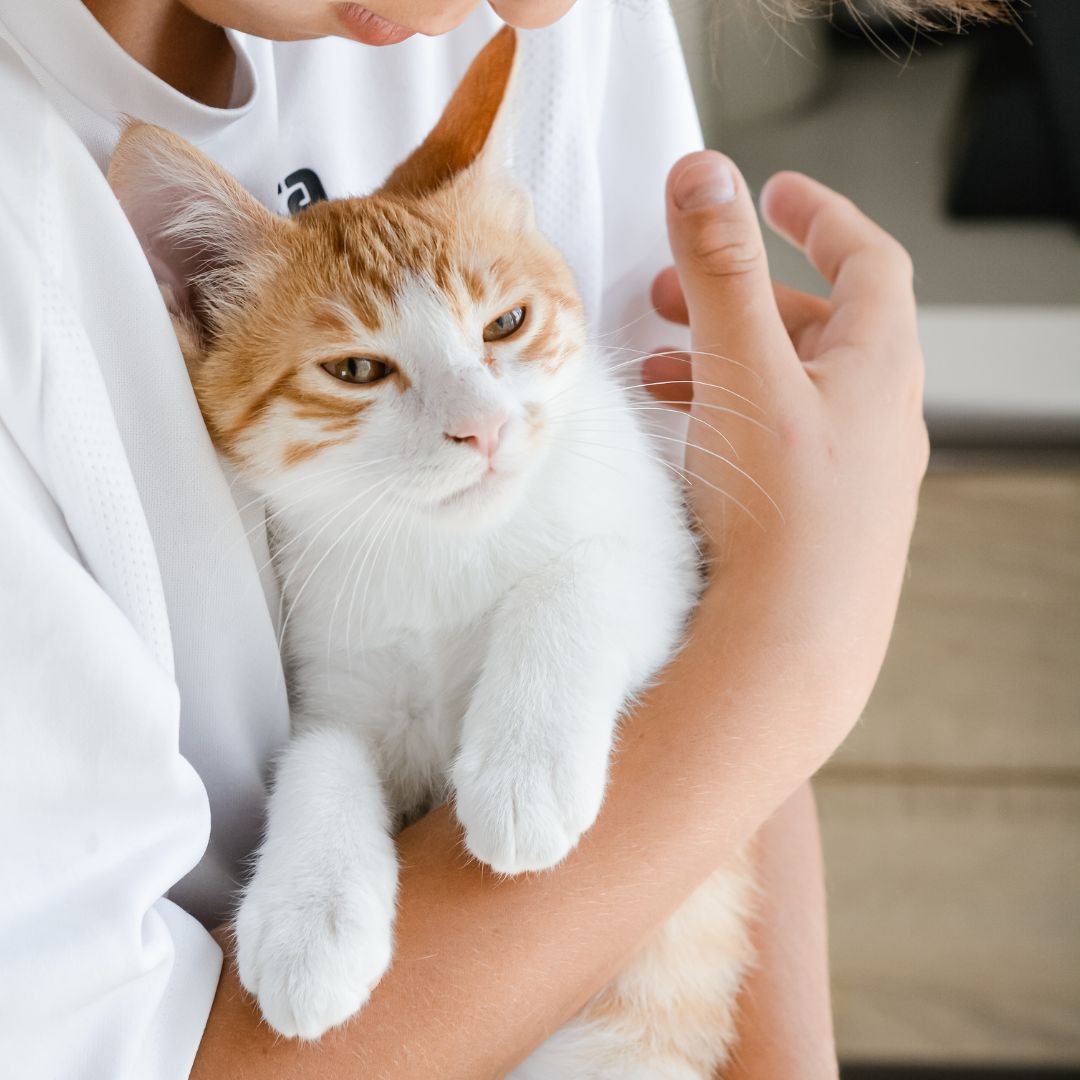
Are there benefits to adopting an adult cat? Often, older kitties tend not to get adopted nearly as quickly as kittens. However, there are many pros to taking home a grown fur friend.
Set personality
While it’s hard to know what sort of character a kitten will grow up to have, you face no such issue with an adult fur friend! Most cat’s personalities develop over the first few years of their lives. A huge benefit to adopting an adult cat is that you will already have a good idea what kind of furry friend they are. Furthermore, shelter staff are familiar with the personalities of each kitty and will do their best to find the right fit for you. So, whether you’re looking for a lazy kitty, one that’s more independent and aloof, or a serial snuggler, you can find all kinds at a shelter.
Calmer
Kittens have a lot of energy and take up more time than adults. Not only do they need a lot of playtime, but you often can’t leave a kitten alone for very long either. An adult cat requires less care and attention and will generally adjust to being home on their own quite easily. Of course, this doesn’t mean that playtime isn’t necessary—grown cats just need less of it. Make sure to keep Mr Whiskers happy and healthy with quality playtime every day.
Great for families
Kittens can become easily overstimulated and misdirect hunting behaviour during play. An overexcited small fur friend might attack fingers and toes or accidently scratch. (It’s important to keep in mind that you should NEVER punish a kitten or cat for scratching. Felines don’t understand punishment and this will only create a sense of distrust between you and your fur friend.) Adult cats are less boisterous with their play and can be better with younger human family members.
Top tips for adopting an adult cat
- Figure out where you want to adopt from. Older cats tend to be in shelters for much longer than kittens, so your local animal rescue should have options for adopting an adult cat. However, there are charities that help paw parents who need to directly re-home their felines (without sending them through a shelter first). Some vets also keep track of local kitties up for adoption and can provide you with advice on how to do it.
- Find the right purr-sonality. It’s important that Mr Whiskers is a good fit for your personality and lifestyle. It can be helpful for shelter staff to know if you have children, other pets, spend hours outside the home, or live in a flat. This way they’ll be able to find you the best match.
- Take your time. You’ll probably fall in love with every furry friend you see at the shelter, but it’s important to take your time. Adopting an adult cat is an important life commitment, which means you don’t want to make the impulse decision of adopting the first kitty you see! Most animal shelters have a space where you can spend quality time playing with and getting to know whichever fur friend you’re interested in. Make sure you know how to approach a kitty the first time you meet them, and get to know them before deciding to adopt.
How to prepare your home for an adopted cat

Some shelters will do a home check to make sure it’s a suitable and safe space for a kitty. But once you get the green light, you’ll need to prepare your home for your new feline friend!
- Provide a quiet space. You’ll want to set up your fur friend in a quiet space while they adjust to their new environment. Choose a room that’s away from the noisier parts of the house and provide food, water, a litterbox, and sleeping and hiding space for your furry friend. Remember, don’t place the litter box near your cat’s food or water as this is unhygienic and can upset them.
- Feed them the same food. You’ll probably want to switch Mr Whiskers to a specific wet and dry food dietat some point. However, consistency is important for cats, so for the first few weeks, stick to the same food the shelter was feeding them. Then, slowly phase it out.
- Set up cat trees. A key part of creating a cat-friendly home is providing plenty of opportunities for climbing and scratching. Keep your new feline companion happy by setting up cat trees all around the home.
- Spend time with them. Make sure to spend time every day bonding with your new kitty, whether it be by playing together or simply sitting in the same room with them. Never force your furry friend to interact with you. They may spend the first few days hiding, and that’s okay! Give your cat the time and space to approach you when they’re ready. This way, you’ll build a stronger bond and develop a sense of trust.
- Make introductions. If you already have other pets, take your time introducing a new kitty. Most likely, you’ll need to introduce them over a period of weeks. But as long as you’re patient, your kitty should make friends with your other pets.
- Prepare cat care. Whether you’d like a cat sitter to pop in daily while you’re at work, or need someone more long-term when you travel, try not to leave cat care until the last minute. Have a few options on standby. When you meet a new sitter, make sure you let them know your kitty’s history and how they’re adjusting to their new home.
Want to learn more about felines? Check out our articles on why black cats are considered lucky and the fascinating history behind the phrase ‘Cat Lady’!
- #catinaflat
- adopting a cat
- adopting an adult cat
- cat adoption
- how to adopt a cat